
Grizzly Bear Expedition

This expedition focused on responsible bear viewing, field safety, and natural history interpretation, balancing close ecological observation with strict ethical and safety standards.

EXPEDITIONSRESEARCHOUTDOOR EDUCATIONFIELD NOTES

Jack Willoughby

1/10/20261 min read

The Environment

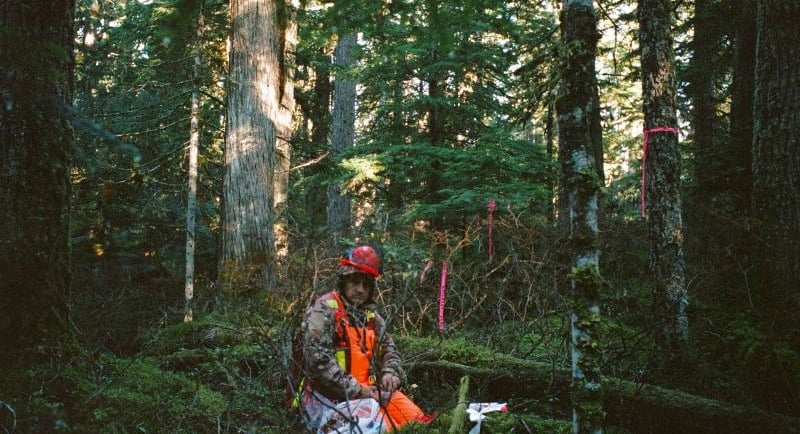
Grizzly bear expeditions typically take place in complex ecosystems where forest, river systems, and coastline intersect. These environments are dynamic, shaped by seasonal salmon runs, weather patterns, and human presence.

Understanding how bears move through these landscapes is essential. Reading tracks, feeding signs, wind direction, and terrain allows guides to anticipate bear behaviour and reduce the risk of disturbance or conflict.


Guiding and Safety in Bear Country

Safety is the foundation of any bear expedition. Before entering the field, clear protocols are established covering:

  • Group movement and spacing

  • Communication signals and handovers

  • Bear awareness and deterrence strategies

  • Emergency response planning

As a guide, my role was to maintain constant situational awareness while ensuring the group understood why certain decisions were made. This transparency builds trust and helps participants develop their own field awareness.

Final Thoughts

Grizzly bear expeditions sit at the intersection of wildlife guiding, education, and conservation. When done responsibly, they offer rare insight into one of the most iconic species in North American ecosystems, while reinforcing the principles of ethical field practice.